



A history dating back to the 16th century: from the Rantzau family’s aristocratic residence to a luxury hotel built on the site of a former cowshed.
-
1492/1527
The Rantzau Era
Johann Rantzau (1492–1565) and his son Heinrich (1527–1598) shaped Schleswig-Holstein’s “Rantzau Era.” Johann served as a military commander in the Counts’ Feud and as an advisor to Danish kings; Heinrich became a politician, scholar, and royal governor for nearly 40 years.
-
from 1530
Construction Begins
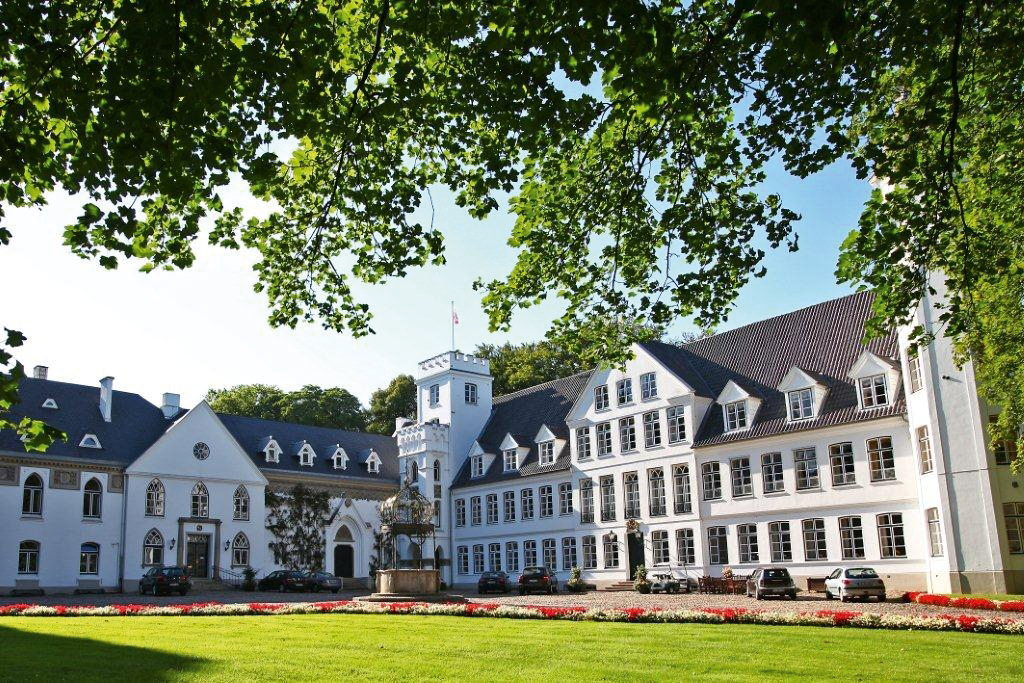
Breitenburg Castle was built on the initiative of Johann Rantzau.
The name likely refers to its location on the Stör River. -
16. century
Expansion under Heinrich
Heinrich Rantzau expands the castle with a third wing and has it fortified more heavily. Breitenburg becomes the family’s most important noble residence. Five kilometers to the west, the Nordoe Temple is built at his request.
-
1598
Heinrich’s Death
Like his father before him, Heinrich Rantzau dies at Breitenburg Castle.
-
1627/1643
War and Looting
During the Thirty Years’ War, the castle is conquered twice—first by imperial troops, then by Swedish forces. Books from Heinrich’s famous library have been scattered throughout Europe ever since.
-
19. century
New Construction in the Historicist Style
After years of neglect, the castle is rebuilt in the Historicist style.
It remains in the possession of the zu Rantzau family to this day. -
2021
From cowshed to hotel
The Hotel Breitenburg opens on the historic estate grounds. An old cowshed is meticulously restored—the historic structure is preserved and complemented by a modern, luxurious ambiance.
-
Today
Where History Meets Relaxation
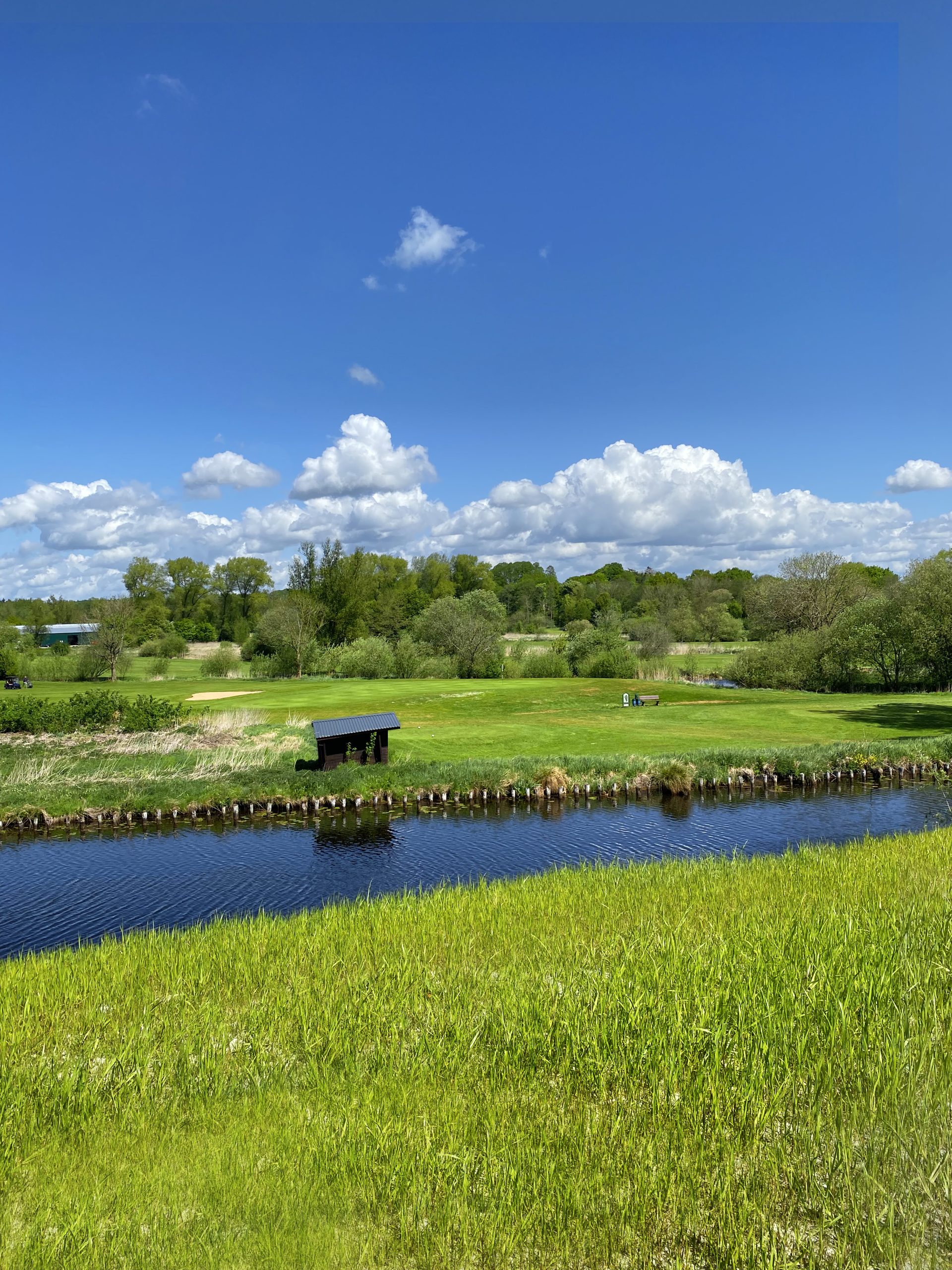
Stylish rooms, fine dining, a spacious SPA area, and the adjacent Schloss Breitenburg Golf Club combine historic charm with contemporary luxury.
A Fairy Tale Writer Visits.
Very few people know this: Hans Christian Andersen, the author of “The Princess and the Pea” and “The Little Mermaid,” was a frequent guest at Breitenburg Castle. Between 1840 and 1843, the Danish poet visited his friend Count Conrad von Rantzau-Breitenburg, the castle’s lord at the time, on several occasions.
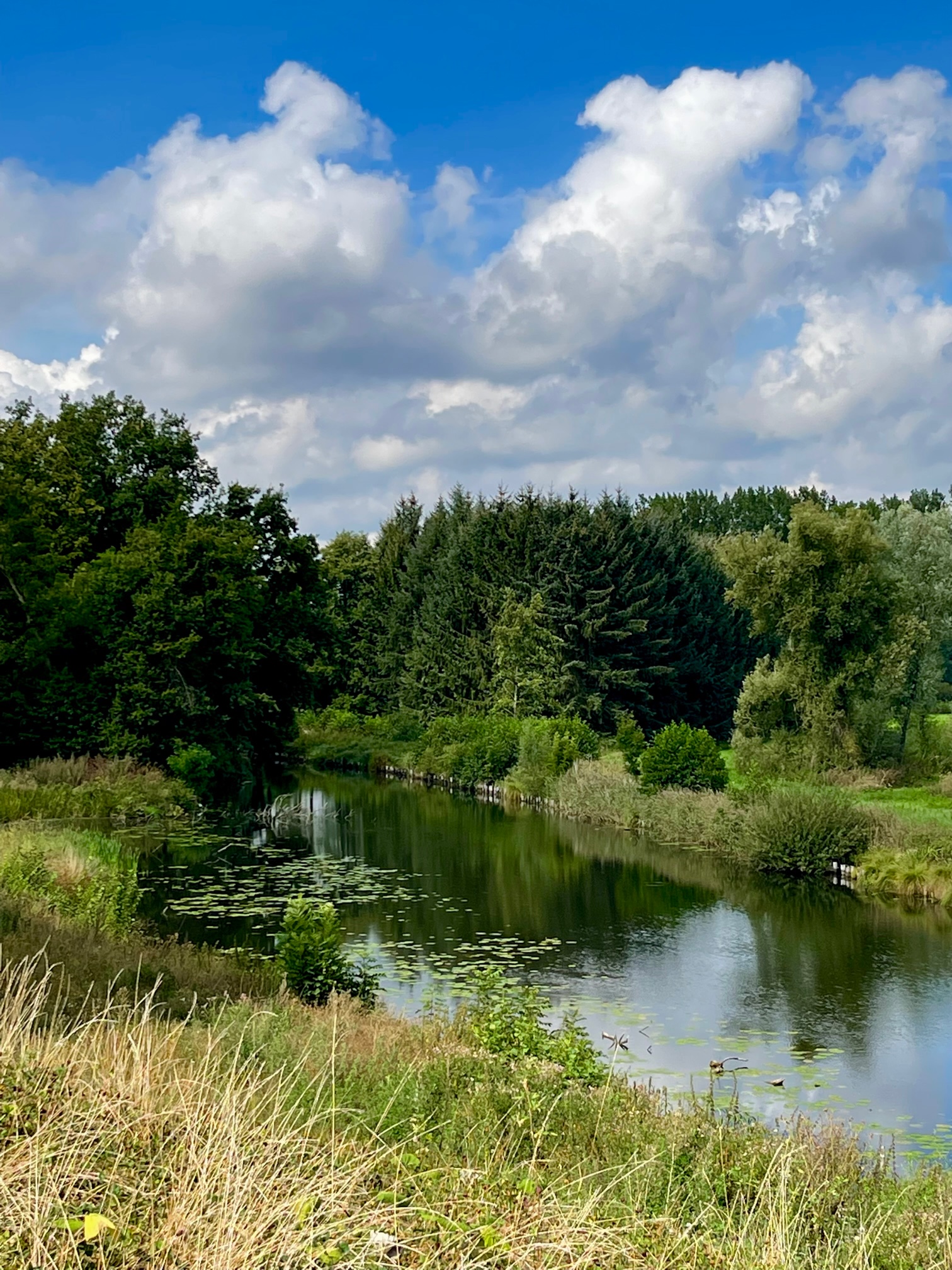
Andersen incorporated his first stay, in November 1840, into his work “A Poet’s Bazaar”—he was captivated by the library, the castle park with its old fountain, and the landscape of the Stör Valley. In February 1843, he returned for several weeks and worked in the tranquility of the castle on his play “Ahasverus” and on a biography of the sculptor Thorvaldsen. Two further visits followed in May and June of the same year.
For Andersen, Breitenburg was an oasis of peace—a place where art, nature, and friendship came together in rare harmony. It is precisely this feeling that we wish to share with our guests to this day.
Hiking in Andersen's footsteps
The Hans Christian Andersen Trail was recently established to commemorate the poet’s visits. The trail leads from the historic town hall in Itzehoe through the Stör Valley near Münsterdorf to Breitenburg Castle.
Length: just under 12 km
Duration: about 3 hours
Difficulty: easily manageable even for beginners; marked throughout
Along the route, you’ll find original quotes from Andersen about his visits. For those who want to dive deeper: The Itzehoe Tourist Information Office sells a booklet for € 5,00 containing his writings about Breitenburg and the Stör Valley—the ideal literary companion.